
Homeowner Guide · Leeds
How to Avoid Cowboy Builders
A practical checklist for choosing a builder, comparing quotes and agreeing fair stage payments without mistaking normal building practice for a warning sign.
5.0 / 5 · 21 Google reviewsFree, no-obligation quotesFully insured
Before You Say Yes
Six checks that make a difficult decision clearer
No single badge, review or low price proves that a builder is right for your home. A strong decision comes from several checks that agree with each other.
Confirm who you are hiring
Get the full business name, working contact details and an address. Check that the name on the quote matches the person or company taking payment.
Look beyond one review
Read recent and older reviews, look for detailed project photos and ask for references from similar work. A profile alone is not proof of workmanship.
Ask for a clear written quote
The quote should set out the agreed work, important inclusions and exclusions, likely timescale, payment terms and how any change to the scope will be handled.
Check insurance and permissions
Ask what insurance applies and whether planning permission, Building Regulations approval or specialist design is needed for your job.
Agree changes before they cost
Hidden defects can change a project, but extra work should be explained and agreed in writing before it is charged wherever reasonably possible.
Keep a simple paper trail
Keep the quote, contract, messages, invoices, receipts and progress photos. Clear records protect both the homeowner and a professional builder.
Compare the Scope
A sound quote explains the work behind the finish
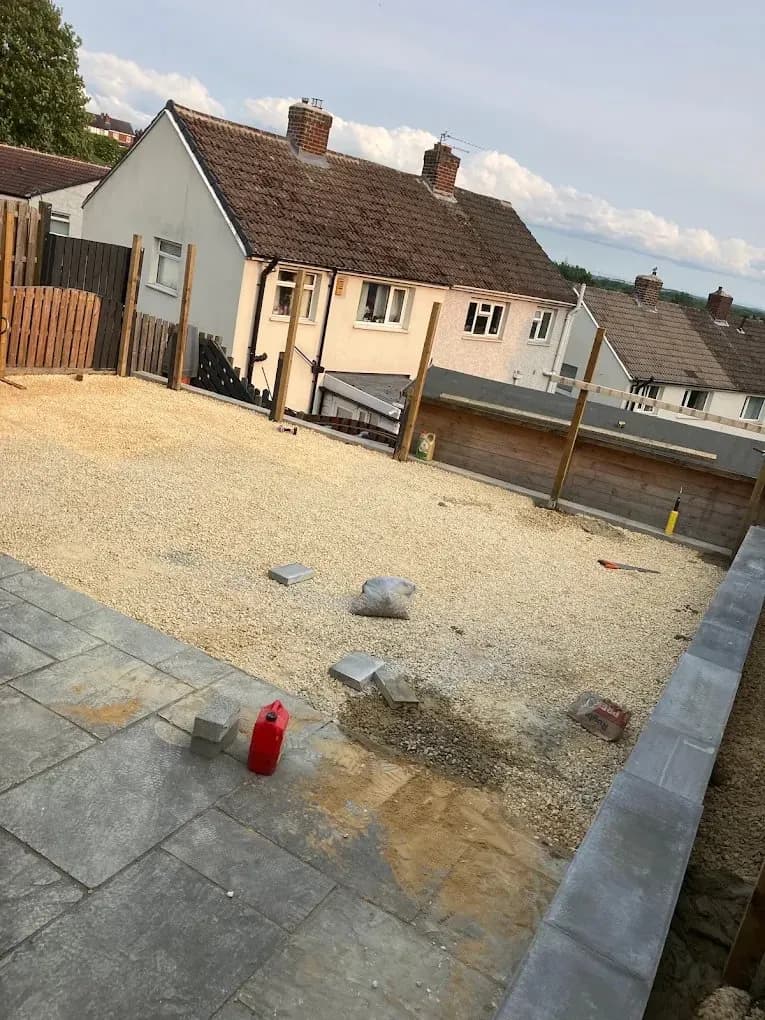
Two quotes can name the same finished result while allowing for very different work underneath. Preparation, drainage, structural support, waterproofing, protection and waste removal are often where the real difference sits.
CLM's approach
We set out the intended scope, identify important exclusions and explain known choices before work begins. If opening up reveals something that could not reasonably be seen, we discuss the evidence and the options before changing the job.
Stage Payments Explained
Stage payments are normal. Unclear payment demands are not.
Larger projects often need a deposit and staged payments. The protection is not a made-up universal percentage; it is a written schedule that makes sense for the materials, length and milestones of your particular job.
A fair staged payment
- A written schedule agreed before work begins
- A clear reason for any deposit, such as ordered materials
- Stages linked to materials, milestones or visible progress
- Invoices or receipts that match the agreed schedule
- Any variation explained and agreed before it is added
- The final balance handled as the accepted quote states
Pause and ask questions
- Pressure to pay a large unexplained sum immediately
- Cash-only payment with no proper receipt
- The price or payment account changes without explanation
- Repeated demands that run ahead of materials or progress
- Extra charges appear without a written variation
- Requests for full payment while agreed work remains incomplete
For larger CLM work, the accepted quotation sets out the payment stages before work begins. The timing depends on the job, and each stage should have a clear purpose. We do not publish one-size-fits-all percentages that may be wrong for your project.
Ask Before Work Starts
Eight useful questions for any builder
Good questions do not offend a professional. They help both sides understand the job and reduce surprises later.
- 1Who will supervise the work and who is my day-to-day contact?
- 2What exactly is included, and what is specifically excluded?
- 3Which materials and preparation methods are allowed for in the price?
- 4What could reasonably change the price once work begins?
- 5How will variations be priced and approved?
- 6What are the payment stages and what does each stage relate to?
- 7Who handles waste, access, protection and making good?
- 8What approvals or specialist input could the project need?
Independent Guidance
Check the advice for yourself
These independent sources explain how to compare traders, use written agreements and approach payments. They are useful whoever you choose to complete the work.
This guide is practical general information, not legal advice. If a dispute is already underway, contact Citizens Advice or your local Trading Standards service for advice on your circumstances.
Common Questions
Straight answers before you decide
Is a builder asking for a deposit always a warning sign?
No. A reasonable deposit can cover ordered or made-to-measure materials and secure a start date. The important points are that the amount and purpose are written down, the business taking it is verified and the remaining payment schedule is clear.
Are stage payments normal on building work?
Yes. They are common on larger projects. A fair schedule is agreed before work starts and links payments to materials, milestones or visible progress. It should not be a series of unexplained demands that leaves payment far ahead of the work.
Should I automatically choose the cheapest quote?
No. Compare the scope as well as the total. A cheaper quote may leave out preparation, waste removal, protection, drainage, structural input or finishing work that another quote includes.
What should I do if work has already failed?
Photograph the problem before it is disturbed, keep the original quote and messages, and avoid covering evidence of the cause. Start with an assessment so you can understand whether a contained repair, preventative work or a proper rebuild is the sensible route.
Does CLM charge for every assessment?
No. CLM offers a free initial photo assessment and free no-obligation quotes where the scope is clear. If hidden damage needs a booked investigation before a reliable repair can be specified, any fee and what it covers are explained before you decide.
Already Dealing With Bad Work?
Show us the problem before deciding the repair
Send a wide photo, close-ups, your postcode and what has happened. We will give an honest first view of whether CLM is the right team and whether the sensible route is to repair, prevent the cause returning or renew the failed work.
You can also explore our property investigation and repair services for patios, drainage, driveways, leaks, damp and structural concerns.